New paper in Nature about the fate of Amazonian biocultural heritage
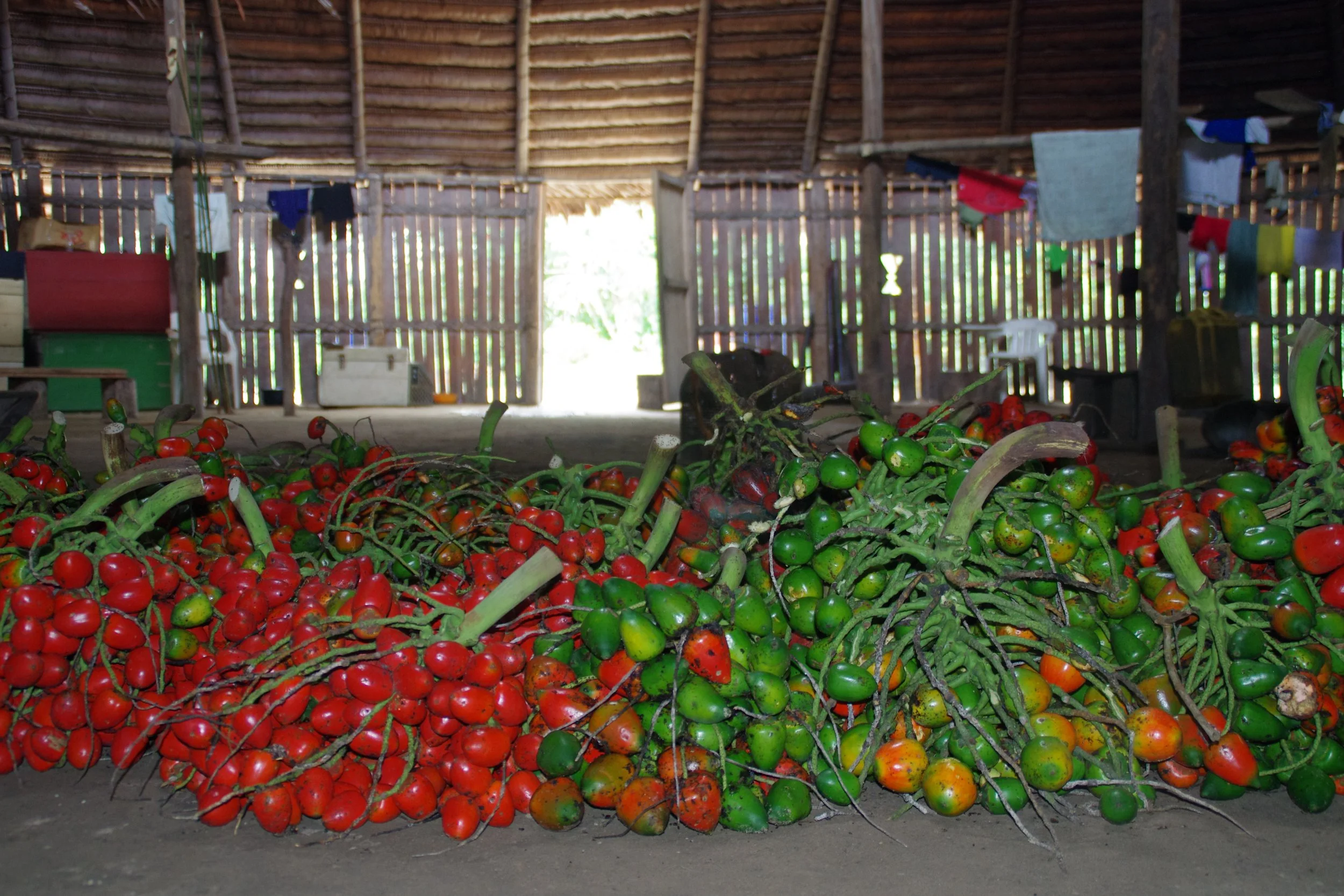
The Amazon region, the Earth’s most important ecosystem, is home to more than 400 Indigenous groups that use thousands of rainforest plant species. They pass on their knowledge of the flora primarily through oral tradition, usually from parents or other family members to their children. This creates a “living library of knowledge” about how to use the native plants. Until now, little was known about how this treasure trove of knowledge is affected by the combined effects of climate change and language loss. This paper, led by former postdoc Rodrigo, provides the first reliable scientific data on the impact of global change on the biocultural heritage of the Amazon region. Specifically, we show that between 2060 and 2080, the ranges of plant species used by humans will shrink more significantly due to climate change than those of plant species not used by humans. Indigenous cultures may lose an average of 28% to 34% of the plant species they use and 18% to 23% of the associated ecosystem services as a result of climate change. Check out the paper here.
Media coverage in The New York Times, Nature News & views, and Nature Podcast